
College Transition Psychiatry in Boston
The transition to and from college is one of the most psychologically demanding passages of early life. We help students, young adults, and their families navigate it.
Physician-led psychiatry for students and young adults at every stage of the college transition
Treating anxiety, depression, identity, and academic pressure — with or without a prior diagnosis
In-person in Boston’s Back Bay, convenient to all Boston-area colleges and universities; telehealth available for Massachusetts students
1.
Request a consultation:
Submit the form or call.
2.
Office manager call:
We review basic clinic information and fit.
3.
Brief clinician screening (10–15 minutes):
Then our office manager books your first appointment.
Private-pay care enables time, continuity, and depth, with fees discussed during the office manager call.
Located in Back Bay and serving Beacon Hill, Brookline, Cambridge, Somerville, Newton, and surrounding areas. Telehealth is available for established patients in Massachusetts, and for new patients where in-person care is not accessible.
Appointments are often available within a week.


OUR APPROACH
The college years are a developmental passage, not only a clinical problem
Identity, independence, belonging, and academic pressure are treated as clinical material
Students, young adults, and parents each supported in their own right
Child, adolescent, and adult psychiatry from one clinical team
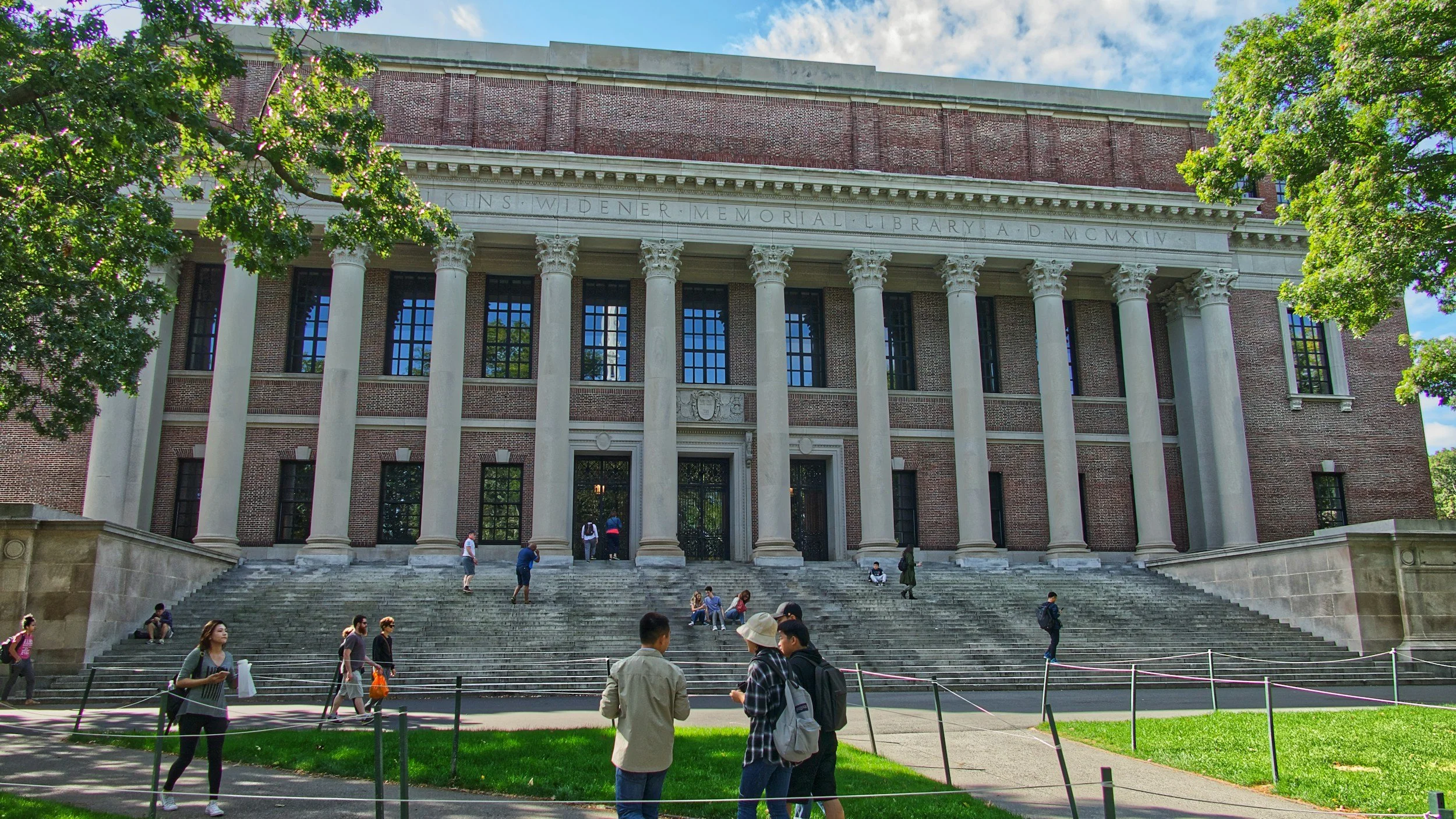
We work with students attending Boston-area colleges including Boston University, Northeastern, Harvard, MIT, Emerson, Berklee, and others
How We Think About the College Transition
Boston is one of the most college-dense cities in the world and draws students from around the world. We see the college transition every week — in students arriving at college for the first time, in students who are struggling mid-degree, in young adults graduating and losing the structure that held them, and in parents watching from a distance and not knowing what to do.
-
The transition is not just logistical
Leaving home, forming a new identity away from family, navigating new social environments, choosing a direction — these are genuinely hard psychological tasks. When anxiety, depression, ADHD, or a prior diagnosis is also present, they become harder. We treat the clinical condition and attend to the developmental passage at the same time.
The years after college are often overlooked
Graduating from college can be as destabilizing as arriving. The loss of structure, the comparison to peers, the pressure to have a direction — post-college depression and anxiety are common and often unaddressed. We see many young adults in this transition.
Parents are part of the picture
We offer consultation for parents navigating their child’s college mental health crisis — including how to communicate, when to intervene, and how to support without enabling.
Who We Work With
Students beginning college
Anxiety, homesickness, social difficulty, academic pressure, and the identity disruption of leaving home for the first time. First-year students who have managed well until now and are struggling for the first time. Families that are getting ahead of the transition and making sure structure is in place even before orientation, and even when coming from out of the country.
Students in crisis mid-degree
Depression, panic disorder, substance use, self-harm, academic failure, or a leave of absence. Students returning from medical leave. Students who have been referred by campus counseling.
Young adults post-college
The 22–26 age group navigating career uncertainty, identity questions, relationship transitions, the loss of the structure college provided, and the loss of certainty about how the future will look. Post-college depression and anxiety are common and often the first time a mental health issue has been named.
Parents of college students
Parenting consultation for families supporting a college student in distress. How to help without making it worse. When to step in and when to step back. What the student may not be telling you and what you may not be telling yourself.
What we help with
First-year adjustment and transition anxiety
Academic pressure, perfectionism, and fear of failure
Social anxiety and difficulty forming friendships
Depression and loss of motivation in college students
Identity development, including sexual and gender identity questions
Substance use in college contexts
Self-harm and suicidality in adolescents and young adults
Return to college after a medical or psychiatric leave
ADHD in college students, including late-diagnosed adults
Post-college transition: career uncertainty, identity, and structure loss
Parenting consultation for families of struggling college students
-
Straight-A student in high school. First semester of college: can’t get out of bed, not going to class, not answering calls home. The loss of structure and external validation can unmask depression and anxiety that high school success was holding together. We see this presentation regularly.
-
Graduated six months ago. All your friends seem to know what they’re doing. You have a job but it feels meaningless. You sleep too much or not at all. Post-college depression is real, common, and often the first time someone seeks psychiatric help.
-
Your child is at school in Boston and you can hear in their voice that something is wrong. They won’t talk about it. You don’t know whether to fly out or wait. We offer consultation for parents navigating a child’s college mental health crisis from a distance with a deep knowledge of area colleges and universities.
MEET OUR CLINICIANS
-
![Jacqueline Buchanan MD]()
Jacqueline Buchanan MD
Child, adolescent, and adult psychiatrist
Harvard/Cambridge Health Alliance trained. Relationship-based, trauma-informed care for children, adolescents, and adults. Psychotherapy embedded in every clinical relationship.
-
![Sundus Mari MD]()
Sundus Mari MD
Child, adolescent, and adult psychiatrist
Harvard/Boston Children’s Hospital trained. Attuned with children, adolescents, and adults straddling cultures and life changes. Psychotherapy at depth in English, German, and Arabic.
-
![Cecil R Webster Jr MD]()
Cecil R Webster Jr MD
Child, adolescent & adult psychiatrist · Psychoanalyst · Founder
Harvard Medical School physician-educator. Board member, Boston Psychoanalytic Society & Institute. Expertise in LGBTQ+ psychiatry, professionals of color, and psychoanalytic treatment. Harvard Health Publishing contributor.


FAQs
Do you work with college students at Boston-area universities?
1
Yes. We are located in Boston’s Back Bay and see students from universities across the Boston area, including those who have been referred by or are transitioning out of campus counseling services. We also offer telehealth for Massachusetts-based students who cannot attend in person. All clinicians teach in Harvard Medical School and select affiliated hospitals.
Can you coordinate with a student’s campus mental health center?
2
Yes. We regularly collaborate with campus counseling centers, deans of students, and academic advisors when clinically appropriate and with the patient’s consent.
Do you work with students returning from a medical or psychiatric leave?
3
Yes. Students returning from leave often need both clinical support and practical planning. We can support the clinical side and collaborate with the student’s school on documentation when needed.
Do you see patients for ADHD evaluation in the college context?
4
We conduct psychiatric evaluations that assess for ADHD in the context of a full clinical picture. Academic accommodation letters are available when clinically supported.
Can parents see you separately from their college-age child?
5
Yes. We offer parenting consultation for parents supporting a college student in distress. This is a separate appointment from any treatment the student may be receiving.
What if my child is not in Boston — can they be seen via telehealth?
6
Telehealth is available for patients physically located in Massachusetts. Students attending school elsewhere who are home in Massachusetts during breaks may be seen during those periods. Some school-related challenges are complex and may be best engaged in person and make regular recommendations for what make sense for each student.
Why choose a board-certified psychiatrist instead of a psychiatric nurse practitioner?
7
Both can be helpful, but a board-certified psychiatrist (MD/DO) brings full medical training and specialty residency, which matters for complex diagnosis, medical differentials, and nuanced long-term prescribing. In addition, all of our psychiatrists are experienced psychotherapists and/or psychoanalysts. We provide ample depth and breadth to treat your condition. Our model keeps prescribing embedded in an ongoing therapeutic relationship, not a protocol-only visit.
What does private-pay enable clinically?
8
Private-pay care protects time, continuity, and depth. It allows longer, unhurried evaluations, steadier follow-up, and treatment guided by clinical need rather than insurance-driven visit limits, diagnosis requirements, or fragmented “split” models of care.
How quickly can I be seen?
9
Appointments are often available within a week.
Yes. We offer in-person care in our comfortable Back Bay office and periodic telehealth for established patients. While we are located in Back Bay we also serve Beacon Hill, Brookline, Cambridge, Somerville, Newton, and surrounding areas.